Hotel Sugandh Retreat
Hotel Jaipur Hero Image
Tourist Attractions in Jaipur

About Jaipur

Home About Jaipur

Tourist Attractions in Jaipur for Every Traveller:
Forts, Palaces, Markets & More

Jaipur, fondly known as the Pink City, enchants travellers with its royal heritage, vibrant culture, and architectural splendour. Built as a planned city in the 18th century, its streets still echo with tales of Rajput kings, majestic forts, ornate palaces and bustling bazaars. Whether you stroll past carved facades, sip masala chai in a colourful market lane or lose yourself in centuries-old courtyards, Jaipur offers a seamless blend of history, art and everyday life.

Palace of Wind

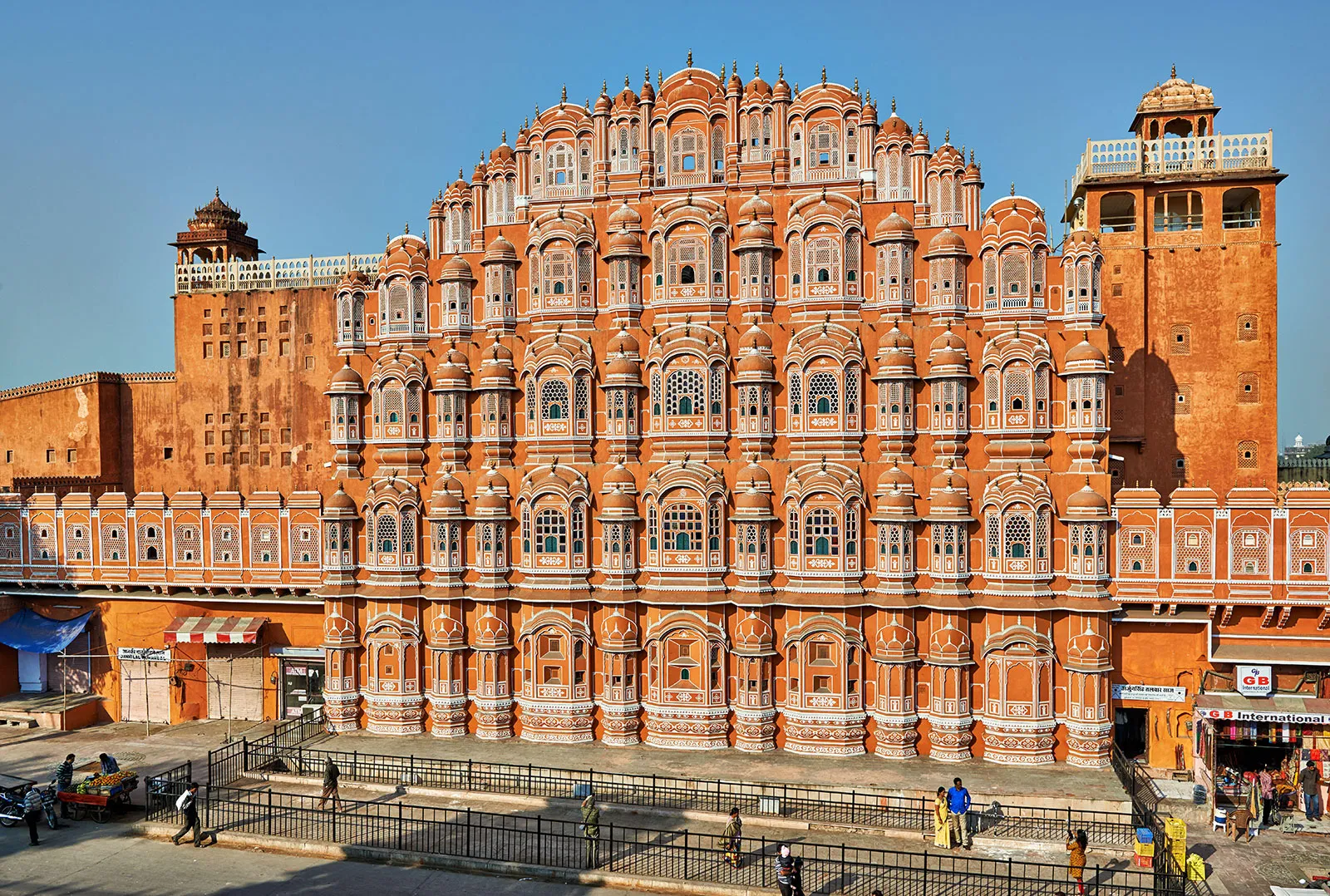
Hawa Mahal

Hawa Mahal

Palace of Wind (Hawa Mahal) is easily one of Jaipur’s most iconic attractions. This stunning red and pink sandstone structure in the heart of the Pink City features rows of carved screens and more than 900 lattice-worked windows that allow in just the right amount of breeze to keep the 5-story complex cool.

This popular tourist spot is open 9am to 4:30pm daily; the museum is closed Friday and Saturday. If you’re visiting the palace interior during the hotter months of the year (approximately April through October), come early in the day, when temperatures are lower and gentle sunlight streams into the rooms through the hundreds of windows.

Sheesh Mahal

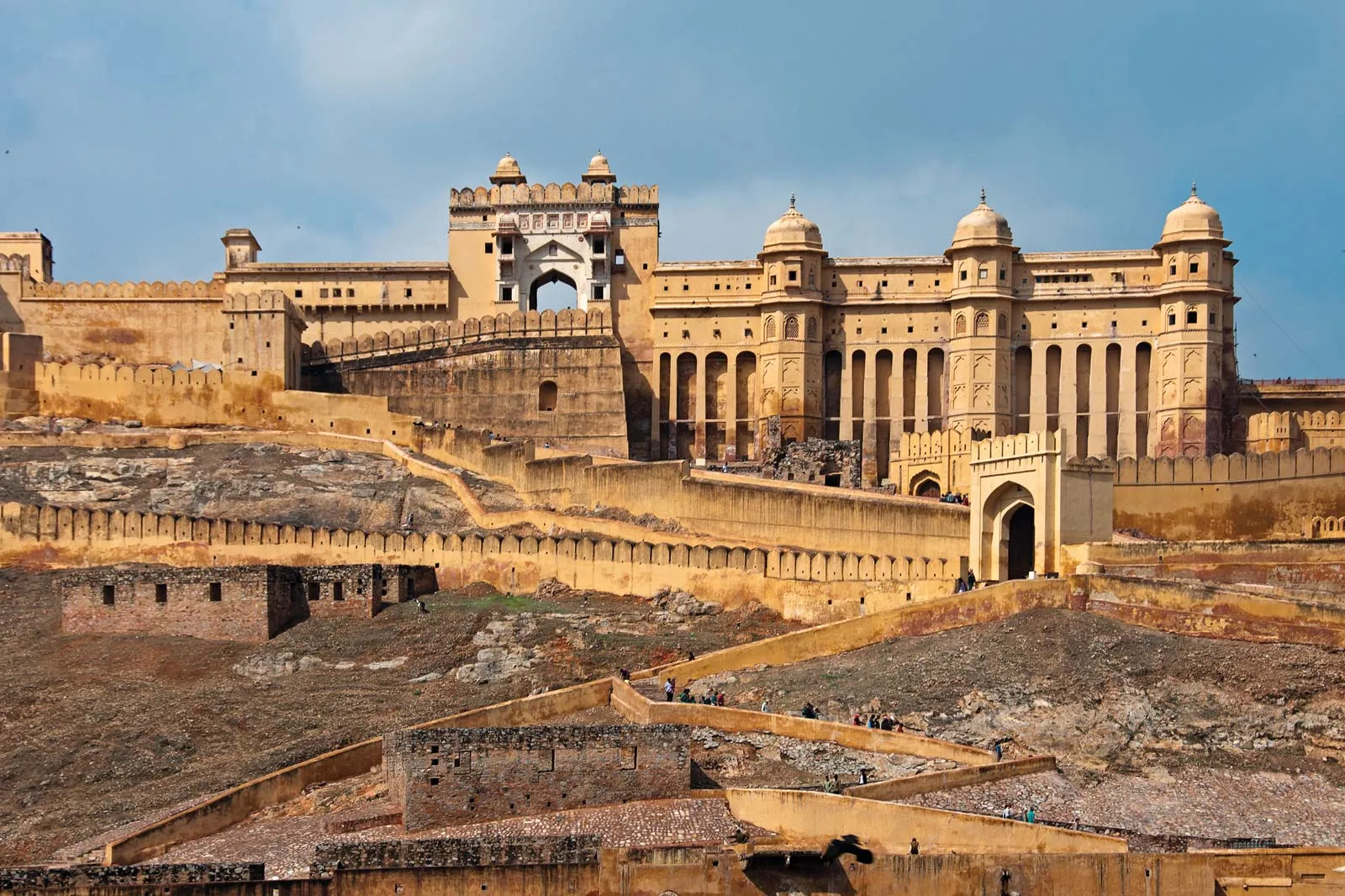
Amber Fort

Amber Fort

Amer Fort (or Amber Fort), located 11 km from Jaipur on Cheel ka Teela (Hill of Eagles), is a UNESCO World Heritage Site known for its magnificent Rajput and Mughal architecture. Built in 1592 by Raja Man Singh I, it features red sandstone and white marble, iconic mirror work, and overlooks Maota Lake.

This popular tourist spot is open 9am to 4:30pm daily; the museum is closed Friday and Saturday. If you’re visiting the palace interior during the hotter months of the year (approximately April through October), come early in the day, when temperatures are lower and gentle sunlight streams into the rooms through the hundreds of windows.

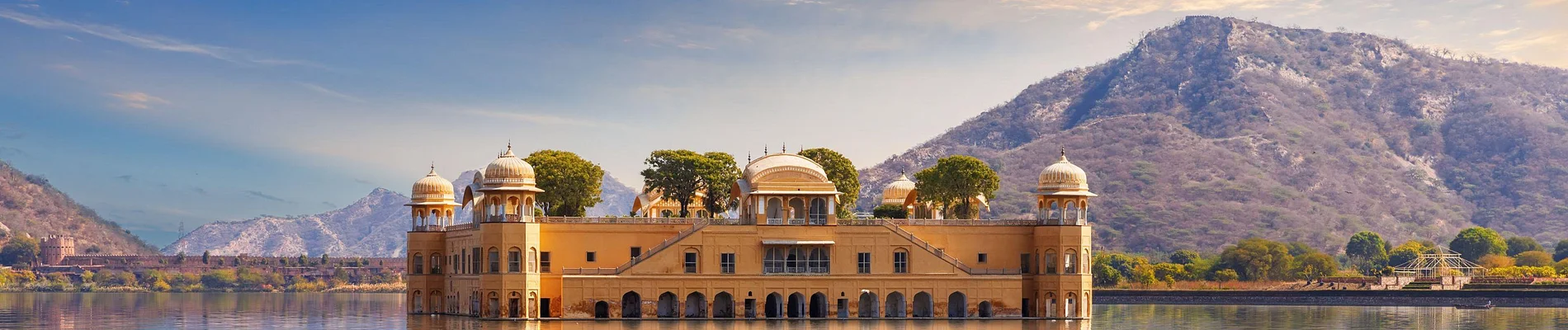
Water Palace

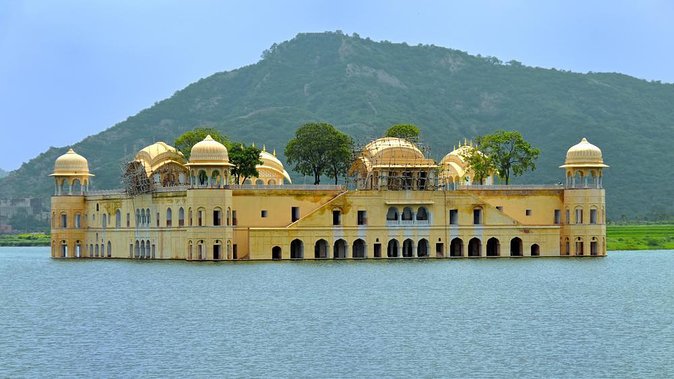
Jal Mahal

Jal Mahal

This 5-story palace was built in 1799 by Maharaja Sawai Pratap Singh, who integrated Rajput and Mughal stylistic features into its architecture. After centuries of disrepair, a refurbishment project began in the early 21st century, though it’s still not open for the public to explore. However, many tours of Jaipur stop at the lake’s shores (usually en route to nearby Amber Fort) for photographs, particularly in the monsoon season when the lake is at its fullest.

The Jal Mahal is located between Jaipur and Amber Fort, just before the turnoff to the Jaigarh Fort road. It’s a 10-minute drive from both Amber Fort’s parking lot and Jaipur’s top attractions such as the Hawa Mahal, Jantar Mantar observatory, and the City Palace.

Other Popular Places attractions
In Jaipur

Water Palace

Water Palace

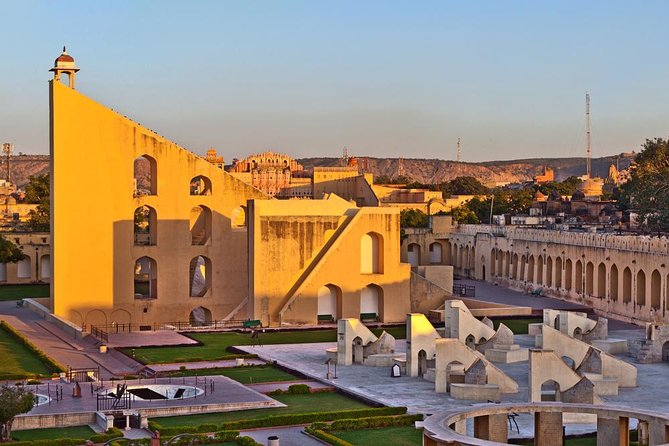
Jai Singh II, who ruled over what is now Amber and Jaipur, was an avid astronomer and was the man responsible for constructing Jaipur, effectively moving the capital from nearby Amber. He also designed many of the tools in the Jantar Mantar, and the Samrat Yantra in the complex is the world’s

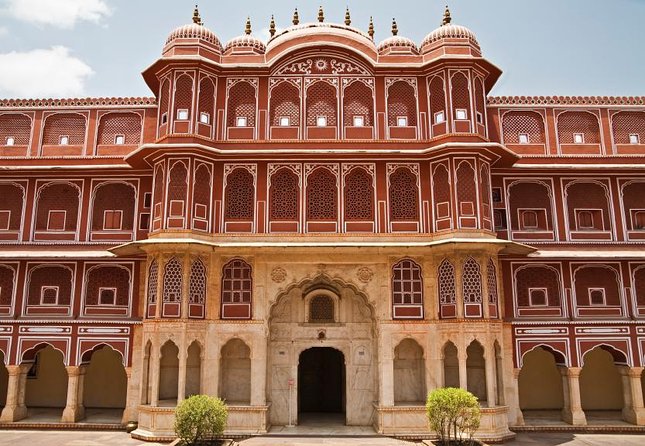
City Palace

City Palace

The palace was constructed from 1729 under Maharaja Sawai Jai Singh II. Many visitors begin their tours of the palace at the Mubarak Mahal (the Welcome Palace), which houses a museum full of textiles, weapons, and artifacts. Other major draws include the Diwan-i-Khas (Hall of Public Audiences),

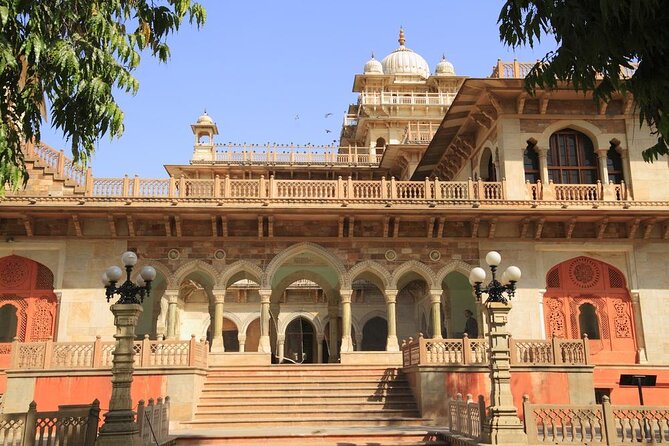
Albert Hall Museum

Albert Hall Museum

Sir Samuel Swinton Jacob, an English architect who created Rambagh Palace, also designed this gorgeous building situated in Ram Niwas Gardens. He drew his inspiration for the Albert Hall from the Victoria and Albert Museum in London. It was originally built to be a town hall, but instead serves